How to Choose the Right Paper Stock for Your Print Project
Paper stock affects how your printed materials look, feel, and perform. This comprehensive paper stock guide covers weight, coating, texture, and finish options to help you make the right choice for every print project.
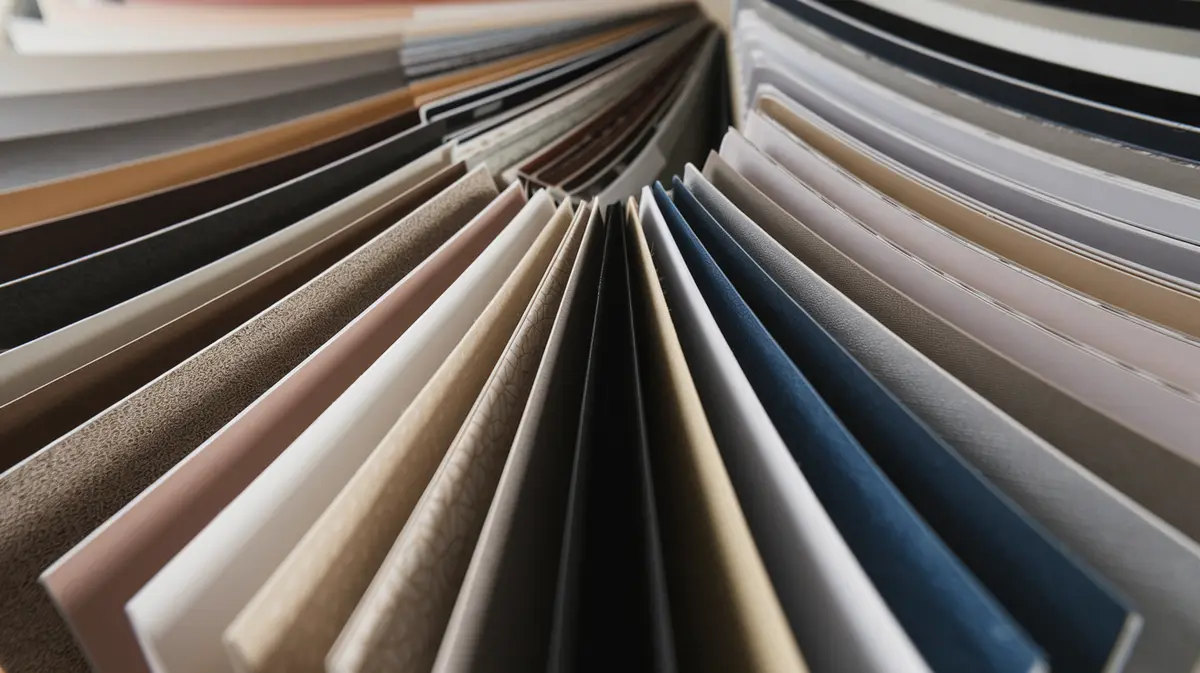
Choosing the right paper stock is one of the most important decisions you will make for any print project. The paper you select affects how your colors look, how your text reads, how the finished piece feels in someone's hands, and ultimately how your brand is perceived. Yet it is also one of the most confusing aspects of print buying because the terminology can be overwhelming. This paper stock guide breaks down everything you need to know to confidently choose the right paper for your next print project.
Understanding Paper Weight
Paper weight is the first specification you will encounter, and it is also the most confusing because there are multiple measurement systems in use. In the United States, paper weight is measured in pounds (lb) using a system that references the weight of 500 sheets of a base size. The problem is that different types of paper have different base sizes, so a 100 lb text weight paper and a 100 lb cover weight paper are very different thicknesses.
Text Weight vs. Cover Weight
Text weight papers are thinner and more flexible, similar to the pages of a magazine or the sheets in a printer. Common text weights include 60 lb, 70 lb, 80 lb, and 100 lb text. These papers are used for brochure interiors, letterheads, flyers, and book pages.
Cover weight papers are thicker and more rigid, similar to a magazine cover or a postcard. Common cover weights include 80 lb, 100 lb, 110 lb, and 130 lb cover. These papers are used for business cards, postcards, folder covers, and book covers.
Point Thickness
A more intuitive way to understand paper thickness is the point system, where one point equals one-thousandth of an inch. A 10pt card stock is 0.010 inches thick. A 14pt card stock is 0.014 inches thick. This system eliminates the confusion of the pound-based system and gives you a direct measurement of how thick the paper actually is. Here is a general reference:
- 10pt: Thin card stock. Suitable for hang tags and economy postcards.
- 12pt: Standard postcard and flyer weight. A solid, professional feel.
- 14pt: The most popular weight for business cards and premium postcards. Sturdy enough to feel substantial.
- 16pt: Premium card stock. Noticeably thicker and more rigid. Popular for high-end business cards and presentation materials.
- 24pt-32pt: Ultra-thick card stock. Creates a luxury feel and impressive heft. Often used with specialty finishes like painted edges.
Paper Coatings and Finishes
The coating on a paper dramatically changes its appearance and functionality. Here are the main coating options:
Gloss Coating
Gloss coating creates a shiny, reflective surface that makes colors appear more vivid and saturated. Photos and images pop on gloss-coated paper because the smooth surface reflects light evenly. Gloss is an excellent choice for product catalogs, photo prints, and any piece where visual impact is the priority. The downside is that gloss can create glare under bright lights and is not ideal for pieces that need to be written on.
Matte Coating
Matte coating creates a smooth, non-reflective surface with a sophisticated feel. Colors appear slightly more muted on matte paper, but text readability is excellent because there is no glare. Matte-coated paper is ideal for brochures with heavy text content, business stationery, and pieces that need a refined, understated aesthetic. Matte paper can also be written on with most pens, making it a good choice for response cards and fill-in forms.
Satin and Silk Finishes
Satin and silk finishes fall between gloss and matte, offering moderate sheen with reduced glare. These finishes deliver rich color reproduction with a smooth, luxurious feel. Satin finishes are increasingly popular for high-end marketing materials because they combine the color vibrancy of gloss with the readability and sophistication of matte.
Uncoated Paper
Uncoated paper has no surface treatment, giving it a natural, organic feel with visible fiber texture. Colors absorb more deeply into uncoated paper, resulting in a softer, more understated appearance. Uncoated stocks are the standard for letterheads, envelopes, and any piece designed to be written on. Many premium brands choose uncoated paper for its authentic, tactile quality.
Specialty Finishes and Treatments
Beyond basic coatings, a range of specialty finishes can elevate your print materials from standard to extraordinary:
- Soft-Touch Lamination: Also called velvet or suede lamination, this coating creates a luxurious, velvety feel that people cannot stop touching. It is one of the most popular upgrades for business cards and presentation folders.
- Spot UV Coating: A glossy, raised coating applied to specific areas of a matte-finished piece, creating a dramatic contrast between shiny and matte surfaces. Commonly used to highlight logos, images, or text.
- Foil Stamping: Metallic or colored foil pressed into the paper surface using a heated die. Available in gold, silver, copper, rose gold, and holographic options. Adds a premium, eye-catching element to business cards, invitations, and packaging.
- Embossing and Debossing: Pressing the paper to create raised (embossed) or indented (debossed) areas. Adds a three-dimensional, tactile element that communicates quality and attention to detail.
- Painted Edges: Applying color to the edges of thick card stock, usually 32pt or thicker. Creates a striking visual accent that makes ultra-thick cards even more distinctive.
Matching Paper Stock to Your Project
Here are practical recommendations for common print projects:
- Business Cards: 14pt to 16pt card stock with matte or gloss coating. For a premium feel, upgrade to 32pt with soft-touch lamination and spot UV or foil accents.
- Postcards and Flyers: 14pt gloss card stock for postcards. 100 lb gloss text or 80 lb gloss cover for flyers.
- Brochures: 100 lb gloss or matte text for a premium feel. 80 lb gloss text for budget-friendly options. Consider silk finish for an upscale look.
- Letterheads and Envelopes: 70 lb or 80 lb uncoated text. Linen or cotton textures add a premium touch to business stationery.
- Booklets and Catalogs: 80 lb or 100 lb gloss text for interior pages. Heavier cover stock, typically 80 lb or 100 lb cover, for the cover.
- Packaging: Varies widely based on the product. Typically 18pt to 24pt SBS (solid bleached sulfate) board with custom coatings and finishes.
Sustainable Paper Options
Environmental responsibility is a growing priority for businesses and consumers alike. Several sustainable paper options are available for eco-conscious print projects:
- FSC-Certified Paper: Paper certified by the Forest Stewardship Council comes from responsibly managed forests. Look for the FSC logo on your printed materials to communicate your commitment to sustainability.
- Recycled Paper: Available in various percentages of post-consumer recycled content, from 30 percent to 100 percent. Modern recycled papers have improved dramatically in quality and are available in a range of weights and finishes.
- Tree-Free Paper: Made from alternative fibers like bamboo, hemp, sugarcane, or cotton. These papers reduce the demand on forest resources while delivering excellent print quality.
Still not sure which paper stock is right for your project? Our team at Printing247 is happy to help you navigate the options and even send you paper samples so you can see and feel the difference. Contact us to request samples or get expert recommendations for your next print project.
Need Professional Printing?
Turn your designs into reality with Printing247. Premium quality, fast turnaround, and nationwide shipping.