10 Reasons Every Small Business Needs Professional Print Marketing
Digital marketing gets all the attention, but print marketing delivers results that digital channels simply cannot match. Discover ten compelling reasons why your small business should invest in professional print materials.
In an era where every marketing dollar counts, small business owners often default to digital-only strategies. Social media ads, email campaigns, and Google Ads dominate the conversation. But here is the truth that experienced marketers already know: print marketing for small business is not just alive, it is thriving. Physical print materials offer unique advantages that digital channels cannot replicate. Here are ten reasons why your small business needs to invest in professional print marketing.
1. Print Creates Trust and Credibility
Consumers trust printed materials more than digital advertisements. According to multiple marketing studies, people perceive print as more credible and trustworthy than online ads. When a potential customer holds a professionally printed brochure or flyer in their hands, they subconsciously assign more authority and legitimacy to your business. This trust factor is especially important for small businesses that are still building their reputation in the market.
2. Physical Materials Have Longer Lifespans
A social media post has an average lifespan of a few hours. An email gets read once and archived or deleted. But a well-designed print piece can sit on a desk, a refrigerator, or a bulletin board for weeks or even months. A beautifully printed postcard with a useful reference, like a local events calendar or a seasonal discount schedule, becomes something people actively keep. That extended exposure means your brand stays top of mind far longer than any digital ad.
3. Less Competition for Attention
The average person is exposed to thousands of digital advertisements every day, which has led to widespread ad fatigue and banner blindness. Meanwhile, the volume of physical mail and print advertising has actually decreased over the past decade. This means your printed materials face significantly less competition for attention. When someone opens their mailbox and finds a well-designed postcard from your business, they are far more likely to actually look at it than they are to notice one of the hundreds of digital ads they scroll past daily.
4. Print Engages Multiple Senses
Digital marketing is limited to sight and sound. Print marketing engages touch as well, and that makes a real difference in how people process and remember your message. The weight of a thick business card, the smooth finish of a coated brochure, or the texture of a linen letterhead all create sensory experiences that strengthen the connection between the customer and your brand. Neuroscience research has shown that multi-sensory experiences create stronger and longer-lasting memories.
5. Higher Engagement Rates
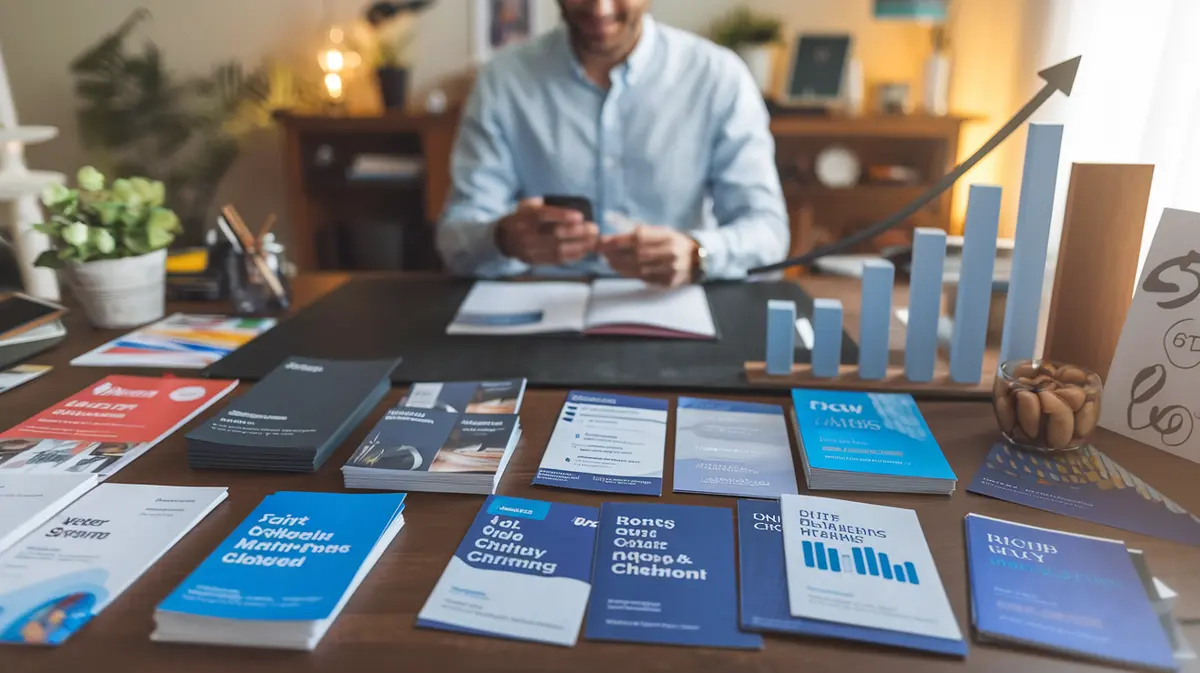
Print marketing consistently outperforms digital in terms of engagement. Direct mail has an average response rate of 4.4 percent compared to email marketing at around 0.12 percent. That is a massive difference. People spend more time reading printed materials, and they are more likely to take action after receiving a physical piece. For small businesses with limited marketing budgets, this higher engagement rate translates directly to better return on investment.
6. Targeted Local Marketing
For small businesses that serve a local market, print marketing is incredibly effective. Postcards and flyers can be targeted to specific neighborhoods and zip codes through Every Door Direct Mail (EDDM) programs. Door hangers, yard signs, and banners put your brand directly in front of the people most likely to become customers. This hyper-local targeting is often more cost-effective than geo-targeted digital ads, especially in competitive markets.
7. Print Supports Your Digital Strategy
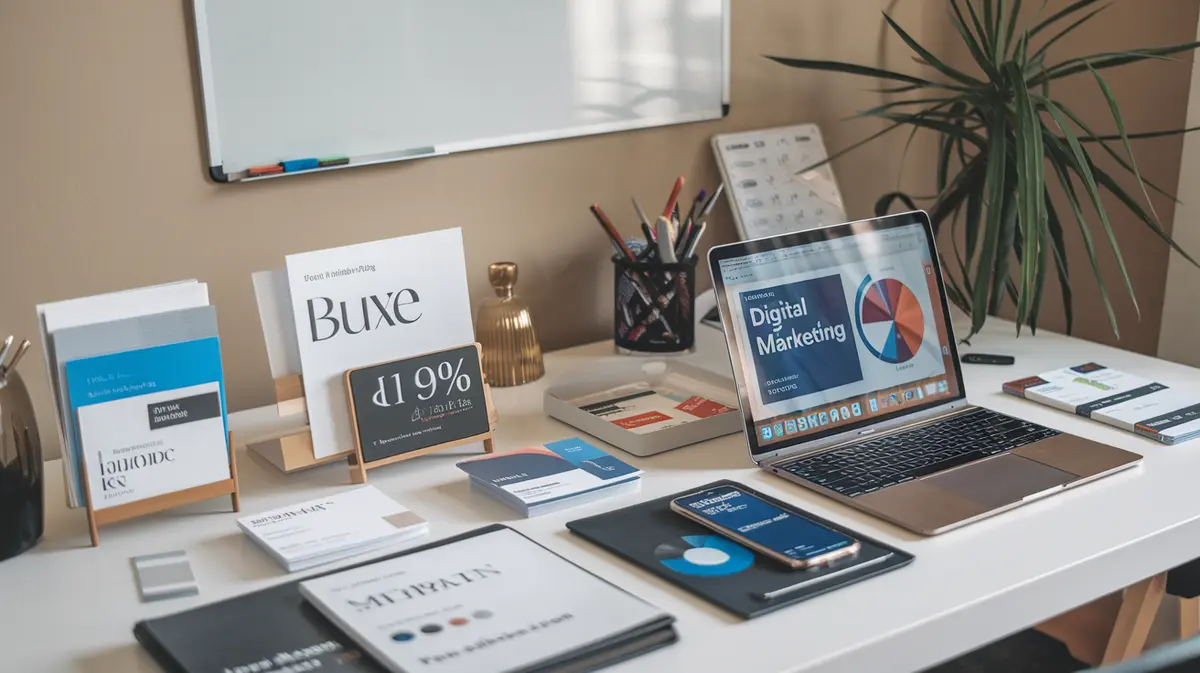
Print marketing and digital marketing are not competitors; they are partners. Including QR codes on your printed materials bridges the gap between physical and digital, driving traffic to your website, social media profiles, or online store. A well-designed brochure can direct people to watch a video demonstration. A direct mail piece can promote your email newsletter. The most effective marketing strategies use print and digital together for maximum impact.
8. Brand Consistency and Professionalism
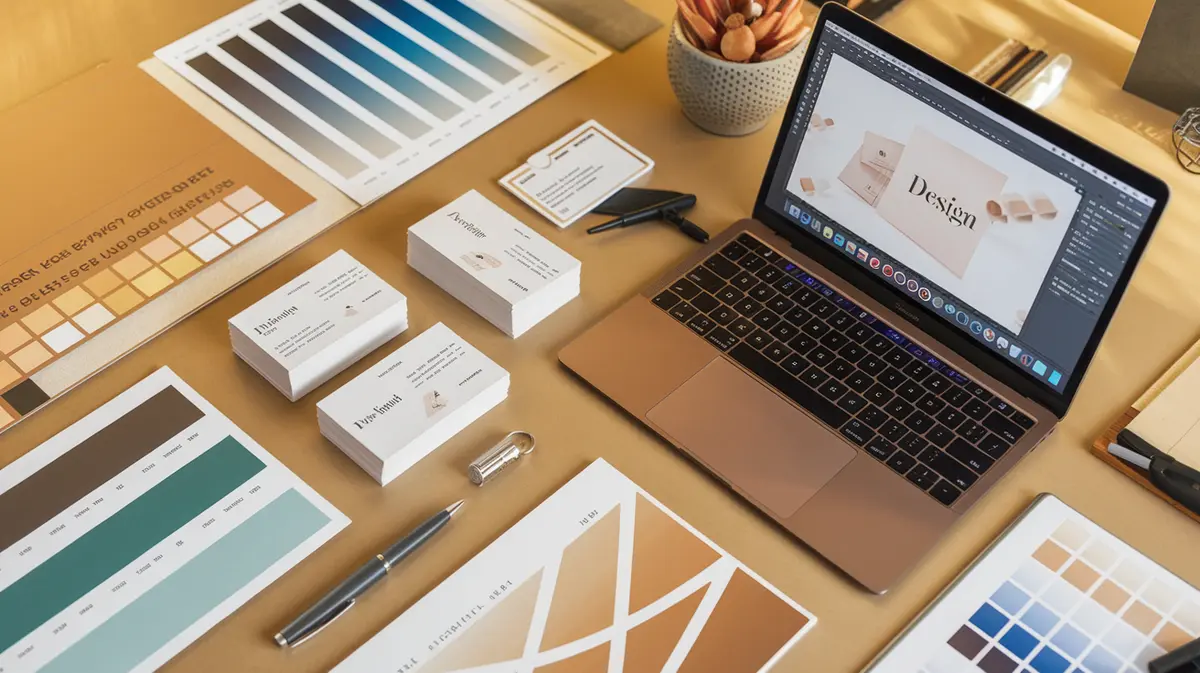
A coordinated suite of printed materials, including business cards, letterheads, envelopes, and presentation folders, signals that your business is established and professional. This cohesive brand identity builds confidence in potential customers and partners. When every touchpoint, from your website to your business card to your invoice, presents a consistent visual identity, your brand feels larger and more trustworthy than it might actually be. For small businesses competing against larger companies, this perception can be a game-changer.
9. Cost-Effective for Sustained Campaigns
Print marketing has become increasingly affordable thanks to advances in digital printing technology. Short-run printing allows small businesses to order exactly what they need without paying for massive minimum quantities. And because print materials have a longer lifespan and higher engagement rates, the cost per impression and cost per response often come in lower than comparable digital campaigns. At Printing247, we offer competitive pricing on everything from flyers and postcards to brochures and banners, making professional print marketing accessible to businesses of every size.
10. Measurable Results
One common misconception about print marketing is that it cannot be tracked. That is simply not true in 2026. Modern print campaigns can incorporate unique URLs, QR codes, promotional codes, and dedicated phone numbers to track response rates with precision. By using different tracking mechanisms for different print pieces, you can measure exactly which materials are driving traffic and conversions. This data-driven approach lets you optimize your print marketing just as you would any digital campaign.
Getting Started with Print Marketing for Your Small Business
If you have been relying solely on digital marketing, it is time to diversify. Start with the fundamentals: professional business cards and a well-designed brochure or sell sheet. These two pieces cover the basics of networking and sales meetings. From there, consider adding direct mail postcards to generate leads and banners or signs for local visibility.
The key to successful print marketing for small business is quality. Cheap, poorly designed print materials can actually hurt your brand. Invest in professional design, premium paper stocks, and high-quality printing to ensure your materials make the right impression.
Ready to elevate your small business with professional print marketing? Browse our full range of printing products or request a quote to discuss your project with our team. We are here to help you make a lasting impression.
Need Professional Printing?
Turn your designs into reality with Printing247. Premium quality, fast turnaround, and nationwide shipping.